Abbreviations
ATPL – Airline Transport Pilot Licence
PPL – Private Pilot Licence
CPL – Commercial Pilot Licence
MEP – Multi-Engine Piston
IR – Instrument Rating
UPRT – Upset Prevention and Recovery Training
APS MCC – Airline Pilot Standards Multi-Crew Co-operation
SOPs – Standard Operating Procedures
Becoming a pilot is a rewarding but demanding journey. It involves choosing the right training route, managing high costs, passing theory exams and building the skills needed for safe commercial operations.
For many aviation enthusiasts, the dream is to work on the flight deck. In the UK and Europe, future career pilots usually choose between two main training routes: modular training and integrated training. Both routes can lead to an airline career, but they suit different people and different circumstances.
Modular training means completing each licence or rating separately. Students often begin with a PPL, then build flying hours and continue with night flying, ATPL theory, a CPL, MEP rating and IR. The order can vary, but the full route normally takes about two to five years.
The main advantages of modular training are flexibility and cost control. Students can often train around work, study or family life. They can also pay step by step instead of paying the full cost at the beginning. Modular training is usually cheaper, often costing around £50,000 to £80,000.
However, this flexibility can also be a disadvantage. Long breaks between training stages may make progress slower and can reduce continuity. Flight training requires regular practice, so gaps in training may make learning more difficult.
Integrated training is a full-time course that takes a student from little or no flying experience to an airline-ready level. It combines ground school, flight training, instrument flying, multi-engine training and ATPL theory in one structured programme. It is usually completed in about 18 to 24 months.
The biggest advantages of integrated training are speed, structure and focus. Students can concentrate fully on learning to fly. Some integrated schools also have airline partnerships, which may help students access future job opportunities.
The main disadvantages are cost and flexibility. Integrated training is usually more expensive, often costing around £80,000 to £130,000. It is also harder to combine with work or other responsibilities.
Choosing a training provider is another important step. Students need to think about location, aircraft type, training quality, student feedback and possible travel or accommodation costs. In countries with difficult weather, a fair-weather training base can also help students complete flying more quickly. This means a training location with more stable weather, where students can fly more often and avoid long delays.
After completing the main training route, a student may receive a frozen ATPL. However, this does not yet mean the pilot is ready to fly for an airline. Two further steps are usually needed: UPRT and APS MCC.
UPRT teaches pilots how to recognise, avoid and recover from unusual aircraft attitudes and loss-of-control situations. It helps improve awareness, decision-making and aircraft handling.
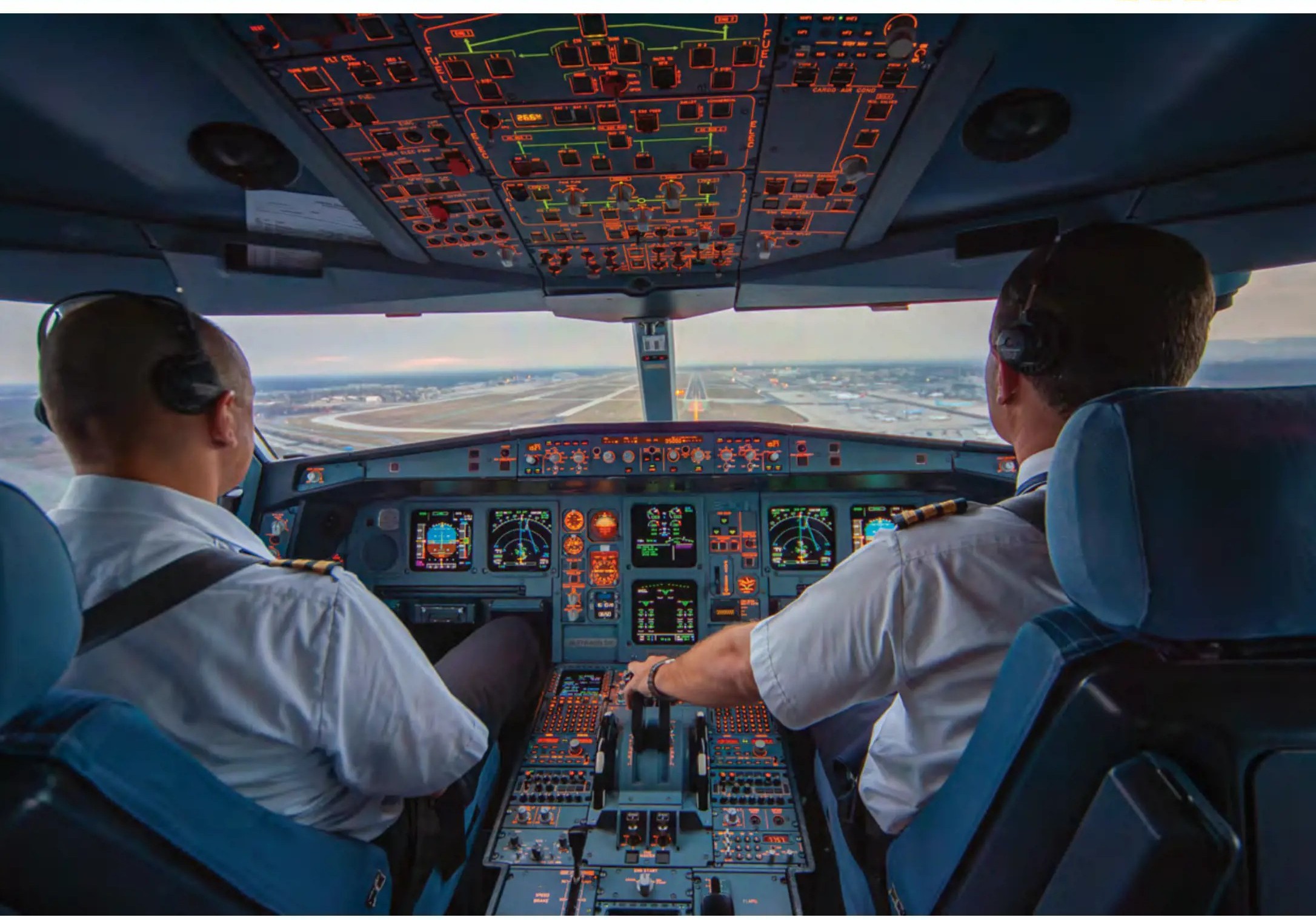
APS MCC prepares pilots for work in a multi-crew cockpit. The course focuses on communication, crew co-ordination, leadership, followership, workload management and SOPs. Pilots practise normal, abnormal and emergency scenarios in a simulator. This helps bridge the gap between single-pilot training and airline operations.
After APS MCC, pilots can start applying for jobs. Although many people imagine airline pilots flying aircraft such as the Airbus A320, pilot jobs can take different forms. Opportunities may include passenger airlines, cargo flying, charter work, survey flying or flight instruction.
The airline selection process is usually competitive. Candidates may complete interviews, knowledge tests, aptitude tests, psychometric assessments, medical checks and simulator assessments. Airlines want to assess not only technical knowledge, but also communication, teamwork, decision-making and performance under pressure.
After a successful assessment and a job offer, the pilot completes a type rating. This is an intensive course for one specific aircraft type or aircraft family. It includes theoretical study and simulator training for normal, abnormal and emergency situations.
The next stage is base training. This is when the pilot flies the real aircraft and practises take-offs and landings with an instructor or training captain. For many pilots, it is one of the most memorable parts of training because it may be their first time flying a jet aircraft for real.
The final major stage is line training. The pilot operates real passenger flights under the supervision of a training captain. During this stage, the pilot deals with passengers, weather, air traffic control, time pressure and normal company procedures. Responsibility increases gradually as confidence and competence grow.
After the final check, the pilot is signed off to operate normal rostered flights as a First Officer, Second Officer or Cadet, depending on the airline and role.
The author’s own journey shows that the path to the flight deck is not always direct. He wanted to become a pilot from childhood and was fascinated by aircraft and flight. However, financial constraints stopped him from starting pilot training immediately. He first completed an apprenticeship and worked in another industry.
In 2025, he decided to change direction and begin pilot training. He started his PPL training in Malta and later returned to the UK for ATPL ground school. The theory side was challenging, and he had to take some exams again. However, this experience helped him understand the importance of strong ground knowledge. It also strengthened his determination to become a safe and professional pilot.
Becoming a pilot requires time, money, discipline and resilience. There is no single perfect route to the flight deck. The best route is the one that matches a person’s ambitions, circumstances and commitment to aviation.