Abbreviations
ULSE — UL Standards & Engagement
TRIP — Thermal Runaway Incident Program
ALPA — Air Line Pilots Association
FAA — Federal Aviation Administration
Key Terms
Thermal runaway — a dangerous chemical reaction inside a battery. The battery gets hotter very quickly and can produce smoke, fire, or an explosion.
Uncommanded evacuation — an evacuation that passengers start without an order from the crew.
Thermal containment product — special equipment used to isolate a hot or damaged device and help control heat and fire.
Crew resource management (CRM) — the effective use of communication, teamwork, information, and available resources by the crew.
Incidents with lithium batteries on airplanes increased by 15% in the last year. Power banks are now the biggest source of these incidents, according to David Wroth from ULSE.
Wroth spoke at the ALPA Air Safety Forum in Washington, D.C., on September 15.
Passengers bring many electronic devices onto aircraft. ULSE research shows that an average passenger has four rechargeable devices. A business passenger can have eight devices with about 10 lithium batteries.
This means that a narrowbody aircraft can have 700 to 800 devices on board. A widebody aircraft can have about 1,500.
ULSE has studied thermal runaway incidents through TRIP since 2019.
‘Dependency is Growing’
Power banks, or portable chargers, are an important risk.
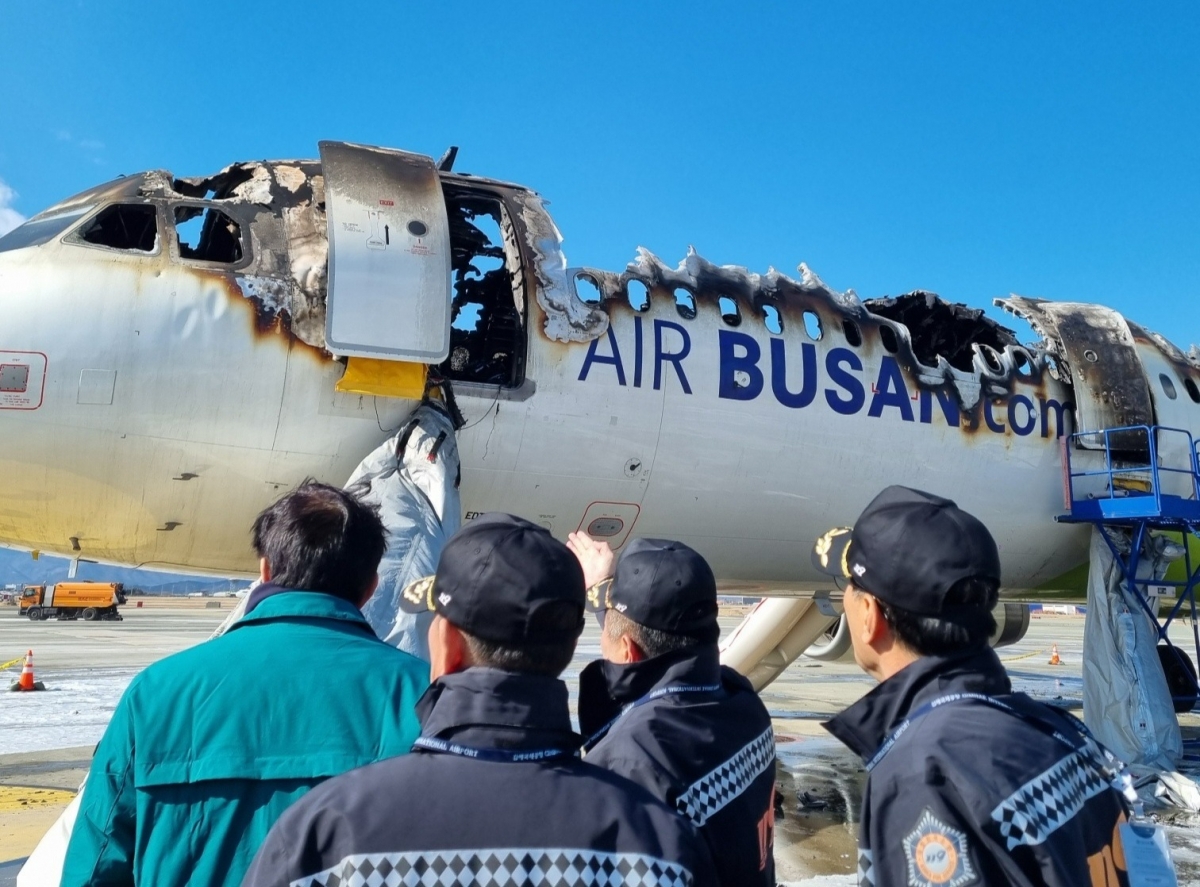
In 2025, a portable charger caused a fire that destroyed an Air Busan aircraft. The aircraft was still on the ground. Everyone evacuated, and there were only minor injuries.
In 2025, power banks became the main cause of thermal runaway events. Many passengers carry power banks and use them during flights. Airlines are now giving passengers more information about how to carry and use them.
Lithium batteries are normally safe. But a battery can become dangerous if it is damaged, defective, counterfeit, crushed, too hot, or charged incorrectly.
It can then enter thermal runaway.
Thermal runaway is not a normal fire. It is a chemical reaction inside the battery. The battery gets hotter and hotter very quickly. It can produce toxic and flammable gases. This can cause smoke, fire, or even an explosion. It can happen in seconds.
These incidents are still rare compared with the number of flights. However, they are increasing. In 2025, passenger aircraft had more than two thermal runaway events per week.
People also use more electronic devices when they travel, so their dependency on batteries is growing.
‘First Responders’
Fewer than 50% of passengers understand the risks of lithium batteries.
During an incident, some passengers may panic or freeze. Others may stand up and move away from the fire. Some may try to help. Others may use their phones to record the event.
These actions can make the situation more difficult for the cabin crew. On the ground, passengers may also start an uncommanded evacuation.
Cabin crew are the first responders.
They find the source of the smoke and tell the flight deck. They use a fire extinguisher on visible flames. Then they cool the device.
They continue to monitor the device because it can catch fire again. They may also put it in a thermal containment product. During the incident, they continue to communicate with the flight deck.
About 90% of these incidents happen in the cabin during flight. Most are controlled before they become a serious fire.
Operational Disruptions
Lithium battery incidents can also cause operational problems.
ULSE estimates that almost one in five onboard thermal runaway incidents causes a return to the gate, a diversion, or an unplanned deplaning.
Pilots may have to decide if the flight can continue, return, or divert.
They may have incomplete information while the cabin crew are controlling the situation. For this reason, pilots need clear information from the cabin.
Wroth said pilots should pay attention to reports about unusual smells, smoke, fire, and unusual passenger behaviour.
Crew resource management is important. Pilots can ask:
- What device is involved?
- Where is it?
- Is there smoke?
- How thick is the smoke?
- Are there flames?
- What is the cabin crew doing?
Good information helps pilots make better decisions. Time is very important.
FAA guidance also says that stopping visible flames is only one part of the response. The device must also be cooled and contained because thermal runaway can continue after the flames are gone.