Who builds the wings
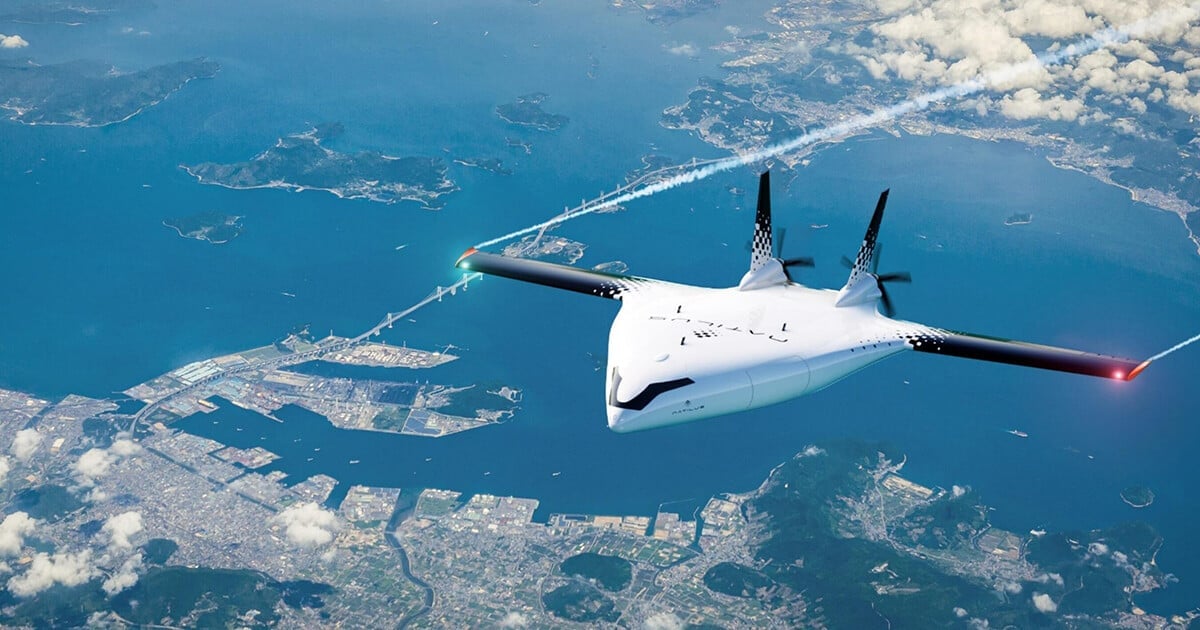
Natilus is a start-up from San Diego. It is developing Kona, a blended-wing-body freighter. Composites Universal Group (CUG) will build the carbon-fiber wings for the full-scale Kona prototype. CUG will deliver the wings in spring 2027.
CUG will do the work in Warren, Oregon. It will use a simpler tooling process. The goal is to cut costs and shorten the schedule.
The wings
Natilus chose carbon fiber because it needs fewer parts and fasteners than aluminum, and it resists corrosion and fatigue. For everything else, the company uses designs that have flown on certified aircraft for many years. Natilus says that this will make the new airframe less risky and less expensive. The wings will have:
a spar-and-rib structure, like conventional airplanes;
mechanical cable-and-pulley flight controls, not fly-by-wire;
no fuel tanks inside ("dry" wings).
Natilus claims that its blended-wing-body designs will carry 40% more payload than similar tube-and-wing aircraft.
Before the first flight, Natilus will test the wing material and do limit-load testing of the wings. Aleksey Matyushev is the co-founder and CEO of Natilus. He says that Kona's blended wing may look different from any plane on the market today, but the wings use off-the-shelf technology.
Plans
In October, Natilus got $3.5 million from the U.S. Air Force for the freighter. It wants to fly the full-scale Kona in 2028 and start commercial service by the end of the decade.
Kona is optionally piloted: it can fly with or without a pilot on board. It is designed to carry 3.8 metric tons of cargo up to 900 nm. After Kona, Natilus plans the Horizon Evo, a 200-seat airliner. It is meant to compete with the Airbus A320neo and Boeing 737 Max families.