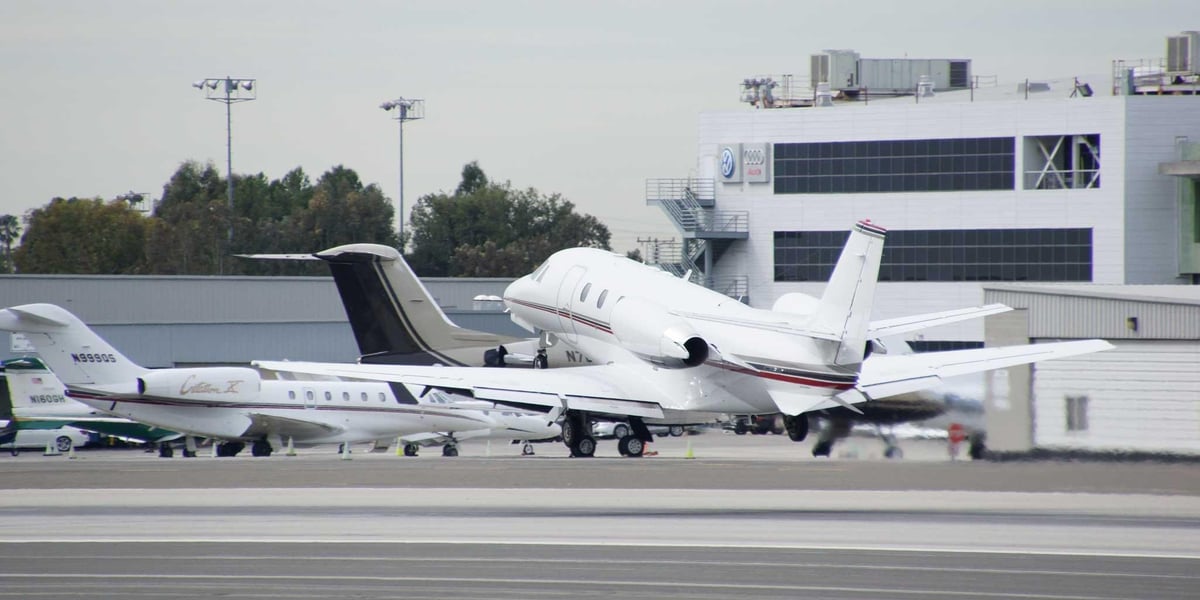
The International Business Aviation Council (IBAC) wants ICAO to change how it measures the carbon footprint of business aircraft. IBAC presented its plan at the European Business Aviation Summit in Brussels.
Airliners are assessed with revenue passenger kilometers (RPK). For business aircraft, IBAC wants a payload metric instead. It is called the vehicle ton kilometer (VTK): payload times distance.
Why RPK does not fit
Bruce Parry is a senior industry affairs advisor to Bombardier Aerospace. He says that RPK gives a distorted picture of business aircraft emissions. On business flights, timing, access and flexibility matter more than passenger load factors. For Parry, using RPK for business aircraft is like comparing apples with pears. He thinks that VTK would be fairer.
How VTK works
The formula calculates CO2 from fuel burn, using mission data and fuel purchase records. There is no adjustment for sustainable aviation fuel (SAF). Instead of passenger counts, it uses certified aircraft data: maximum payload from the manufacturer and distances from actual flight records.
Parry says that IBAC wants to be transparent. It wants a system with public data that others can check. The system covers operators with fleets of all sizes.
Next step: EU-ETS
If ICAO accepts VTK, IBAC will ask for it in the European Union Emissions Trading Scheme (EU-ETS) too. IBAC says that the scheme is unfair to business aviation. The European Commission is working on changes to EU-ETS. They would extend it to smaller operators and to flights that start within 5,000 kilometers of Frankfurt.